Every Friday, I break down real meteorology job postings and cover what the role actually involves, what employers are really looking for, and how to position yourself to get hired. Experience in energy, aviation, agricultural commodities, transportation, outdoor recreation, and event forecasting. Free, every Friday
The Friday Job Report - Week 13
|
Issued Friday, 27th of March 2026 Crafting the perfect resume is like a work of art. You may be one of the lucky ones, and your very first resume lands you a job, and you never look back. Most meteorologists, however, will not have the same success. Once you land an interview, you can use that resume as a template on which you build a framework. Even if you get the job, you may need to interview again for a different job in the future, and your resume framework will be useful to have on hand. A resume is not just a list of everything you've done, but it is your sales pitch to a customer. Why should they pay for your skills? When you see advertisements on billboards, on television, in movies, on your phone, or at sporting events, they are not a list of every single thing the product does, but the key selling points that may attract buyers. Those selling points are often based on years of market research about what works and what doesn't. With a resume, you could do this trial and error yourself or ask for help from someone like me, who, since June 2024, has interviewed with over 30 global companies in agriculture, forensics, energy trading, artificial intelligence, fire weather, general operational meteorology, marine, and aviation. Which means I crafted the perfect resume over 30 times for different types of jobs and with different requirements. While I can't guarantee you will get an interview or even a job offer, I believe that through working with me, you can increase your chances by developing a strategy for not just resume writing, but also your cover letter and how you prepare for the interview. The JobsUSA JobsIndustry: Forensics Title: Regional Director of Meteorology Company: J.S. Held LLC Work Location: Remote Pay: $125,000 - $145,000 USD per year Benefits: See Job Listing Degree:
Certification:
Years of Experience:
Key Skills or Knowledge: (most important to the company) Significant experience in at least 5 of the following types of forecasting:
Additional Skills:
Who Should Apply? People well into their careers, especially NWS employees who were let go recently or want to transition to the private sector. NWS employees would have an exceptional background in the list of weather types. Private meteorologists who have worked with a broad selection of clients will likely also have the knowledge requirement. One part of the requirements that I would not put a lot of focus on is the CCM. If that is a deal breaker, then the company will make that call and not include you, but you won't know this unless you apply. Otherwise, this is a great opportunity for more senior-level mets. Industry: Wildfire Meteorology Title: Meteorologist - Predictive Services and Wildfire Modeling Company: Arizona Public Services Work Location: Phoenix, AZ Pay: $40,500 - $54,000 USD per year Benefits: See Job Listing Degree:
Years of Experience: 5+ years in making weather predictions Key Skills or Knowledge: (most important to the company)
Additional Skills:
Who Should Apply? If you have a fire weather background or are knowledgeable about fire weather, then you should definitely consider this role. Also, if you would like to work in this field, it is a growing sector with many jobs worldwide, as wildfires are affected by a changing climate and burn closer to urban areas. Again, if you are coming from the NWS or NOAA, you will have a potential edge, especially if you are an IMET or work in areas prone to wildfires. Most of the companies I have spoken with that are involved in wildfire meteorology all seem to use the same software. You must like hot weather. It can top 100 F / 37 C in March.
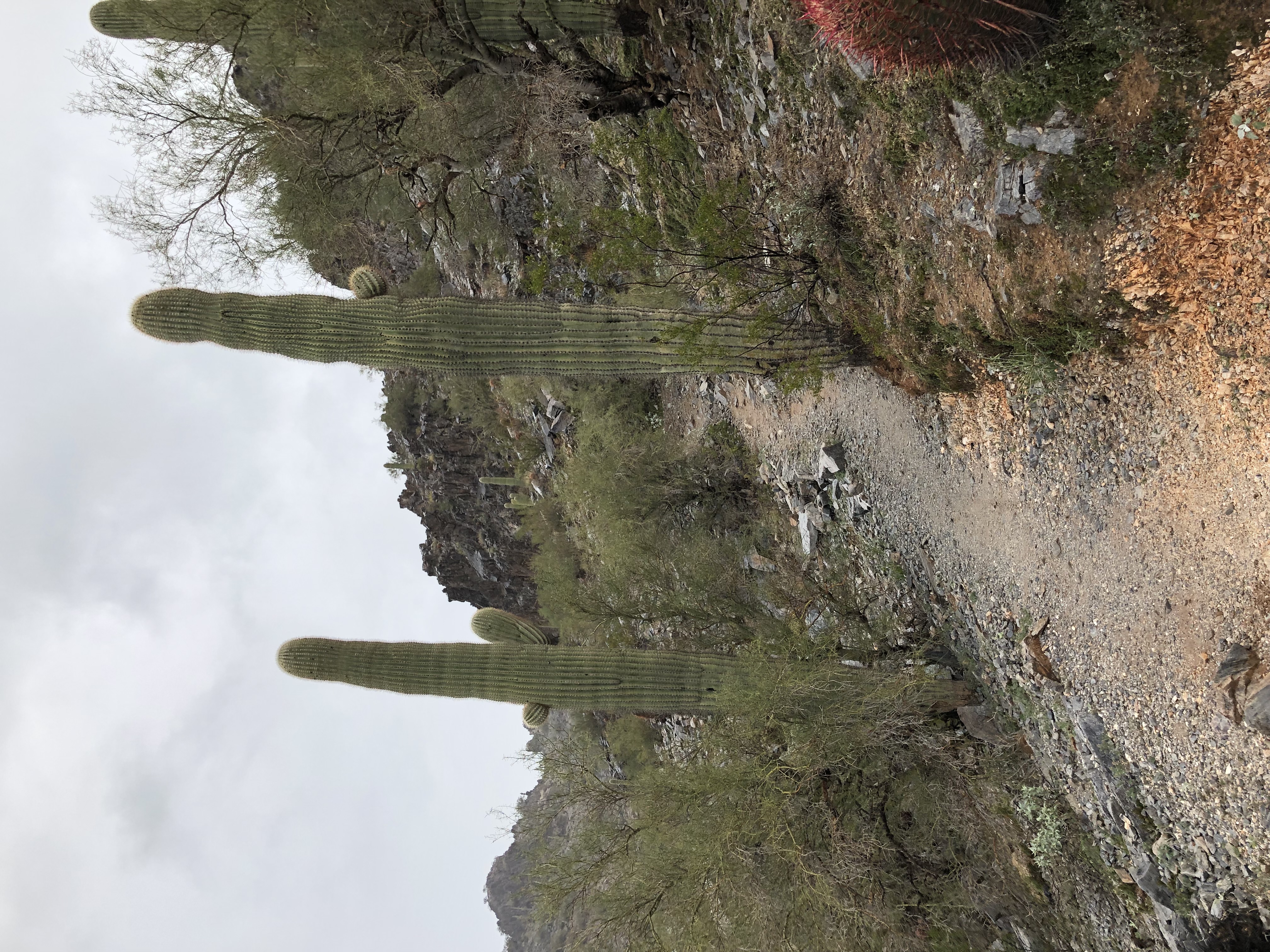
About the Location Phoenix itself is relatively flat with mountains rising suddenly out of the desert. The ground is covered by cactus and rocks, with other types of trees planted in residential settings. If you have never been to Phoenix, in the heat of the summer, most people stay indoors and then come out to play once the sun sets. It's not crazy to see people exercising outdoors late into the night. Personally, I enjoy the city and the surroundings and have been there in the summer when the temperature was over 110 degrees F / 43 C, and it feels terrible. However, you can head north to Sedona or even up to Flagstaff at higher elevations to cool off, or find water and some shade. Industry: Marine Title: Marine Company: Aerospace & Marine International AMI Work Location: Norman, OK Pay: $38,000 - $42,000 USD per year Benefits: Salary increases after 6-8 months of training Degree: None listed, but a BS in Meteorology might help. Years of Experience: 1+ Key Skills or Knowledge: (most important to the company)
Additional Skills:
Who Should Apply? Everyone who is looking for a job in meteorology. This company has a fairly low entry point to a meteorology career. I was a route analyst for a very short time for a company in the San Francisco area, and from my experience, you should have some knowledge of global geography and how weather conditions over the ocean differ from land (although this company will train you). While the pay is a little low, check the cost of living in Norman, and I think it will be fine, especially if you are on your own. About the Location Doing marine forecasting, while in Norman, is possibly the best thing for any early-career meteorologist. Not only are you surrounded by other meteorologists at OU or the Storm Prediction Center, but after analyzing weather in the Indian Ocean, you can go storm chasing after work. It's kind of the best of both worlds, unless you don't like severe weather, then I wouldn't take this role. Industry: Marine / RecreationTitle: Intern Company: Surfline/Wavetrak Work Location: Remote in California Pay: None Given Benefits: See Job Listing Degree:
Key Skills or Knowledge: (most important to the company)
Additional Skills:
Who Should Apply? If you are a surfer, enjoy fishing, or want to work in marine meteorology, this could be an opportunity. However, because it is a surf company, they will probably lean toward people who enjoy surfing, because you are more likely to care about the wave conditions. Look at the company website, and you will see that the culture seems fun, which is always a good sign. International JobsIndustry: Commodity / Energy Trading Title: Intern Company: A2A Work Location: Milan, Italy Pay: See Job Listing Benefits: See Job Listing Degree: Master’s Degree in Physics, Environmental and Land Engineering, Mathematics, Statistics, or related scientific disciplines. Key Skills or Knowledge: (most important to the company)
Additional Skills:
Who Should Apply? This could be a great internship, especially if you are already in the EU, to learn about energy trading in Europe. While it does suggest you need a Master's degree, you might apply regardless and just see, especially if you are interested in energy. About the Location Northern Italy in the Summer would be great, a dream for many. So many things to see around Milan, Cinque Terre, Lake Como, the Dolomites, Alps, day trips to Venice, Tuscany, and more. Industry: Transportation Title: Entry-Level Technician in Applied Meteorology and Predictive Models Company: Renfe Work Location: Madrid, Spain Pay: See Job Listing Benefits: See Job Listing Degree: Master's degree in Meteorology or Atmospheric Sciences, or accredited training in meteorology, predictive modeling, and Geographic Information Systems (GIS) Years of Experience: 3 years of professional experience in meteorological forecasting, modeling, or Geographic Information Systems (GIS), applied to operational management, risk analysis, or technical reporting Key Skills or Knowledge: (most important to the company)
Who Should Apply? I could not find any information about having to know Spanish, although it always helps, but you should definitely know English. The job posting is in Spanish. Renfe is the primary railway company in Spain. I suspect the job involves helping understand how the weather and climate will impact the rail lines, as there are many sections exposed to the weather and other which travel through mountains. This sort of job could be about creating knowledge in climate resiliency as weather patterns change from year to year, and old data is less reliable. For example, this year, Spain received well above normal rainfall over the Winter, and while that is good in the short-term, this can lead to a much higher fire risk in 1 to 2 years as low vegetation like bushes grows more efficiently. Other considerations are heavy rain, which creates flooding and landslides. Even intense heat can damage the track. If you want to live internationally, this could be a good entry-level position, especially if you have a strong Python and GIS background. About the Location I recently visited Spain and rode on Renfe from Madrid to Granada, and I can tell you the landscape is very dry and covered in olive trees. I was there in the summer, which was like Arizona, but in the Winter it can be cold with snow in the mountains, and people go skiing. In fact, you can go snow skiing, only about 1.5 hours drive to the Mediterranean Sea. Madrid was a lot of fun. Final ThoughtsWhile the resume is important, the cover letter is a key part of the application process, but it seems to be a little more mysterious. Unless the job posting explicitly says not to send a cover letter, you should craft one. The cover letter is not a repeat of the resume. Instead, you should view the cover letter as a way to summarize all your most hirable skills in a concise package for the hiring manager. It's a way to cut through the noise and relate your skills to the job opening. Like a forecast, if you were going to summarize the weather across a specific region, you would not list every single type of weather in every area; you would highlight the risk for cold or warm temperatures, clouds, wind, and the weather, even if the data widely varies from one side of the region to the other. In fact, your ability to sell yourself can be seen as a check on that line in your resume about being a good communicator. I have found that the 3-paragraph cover letter is an ideal size for the cover letter, regardless of what your Internet search suggests. Try to visualize if you were the hiring manager and you had to read a 50-page book of resumes and cover letters, would you want to read a full page of text for every resume? The answer is no. When you get through all of that, and you get the second most exciting email that asks you to schedule time for an interview, now you have to back up your talk. Be the concise, actionable communicator you would be as a meteorologist and apply that to the interview. Definitely do your research about the company and the interviewers (if you know), and practice what you are going to say by recording yourself answering the questions on the computer. Less is more. Good Luck on the Job Search and Interviews! |
Scott Patterson
Every Friday, I break down real meteorology job postings and cover what the role actually involves, what employers are really looking for, and how to position yourself to get hired. Experience in energy, aviation, agricultural commodities, transportation, outdoor recreation, and event forecasting. Free, every Friday